
If you're visiting India, one of the first things you'll notice is that almost everyone pays with UPI. From taxis and cafés to local markets and hotels, QR codes have replaced cash in everyday transactions. The challenge is that most UPI apps require an Indian bank account and mobile number. Fortunately, an international UPI app removes that barrier, letting foreign tourists and NRIs make UPI payments using their overseas mobile number and payment card. This guide explains how international UPI apps work, who can use them, the best apps available, and how to get started before your trip.
TL;DR
- International UPI apps let foreign visitors and NRIs pay across India without an Indian bank account or mobile number. Set up a UPI One World wallet, complete KYC, load funds in INR, and scan any UPI QR code to pay like a local.
- Choose the right option based on your situation. Tourists and short-term visitors are best served by wallet-based apps like Cheq or Mony, while NRIs with Indian bank accounts can link their overseas numbers directly to supported UPI apps.
- For Indian businesses, accepting international payments is a different challenge. While international UPI apps help overseas visitors pay in India, merchants selling globally need a cross-border payment platform to accept multiple currencies, international cards, and local payment methods compliantly.
You have just landed in Delhi, the auto driver waves off your cash, and every shopfront has a QR code taped to the counter. That is UPI, and for a first-time visitor it can feel like the whole country is running on a payment rail you cannot access.
The scale is real. UPI now accounts for 85% of all digital transactions in India, and nearly half of all global real-time digital payments are UPI-based. Around 460 million people and 65 million merchants use it across the country.
Here is the part most visitors miss: you no longer need an Indian bank account or an Indian phone number to join in. An international UPI app lets foreign visitors and NRIs pay across India using their own overseas mobile number.
This guide covers what these apps are, how they work, which ones fit which traveller, and what you need to get set up. By the end you will know exactly which app to download before your trip.
An international UPI app is a payment app that lets you use UPI (Unified Payments Interface: India's real-time payment network) without an Indian bank account or local mobile number. It is built for NRIs, foreign tourists, and international students visiting or living in India.
Regular UPI apps like Google Pay require an Indian bank account and an Indian number. International UPI apps remove that barrier. Most work as a wallet: you load Indian Rupees, then scan QR codes to pay at merchants across the country.
The framework behind this is UPI One World, created by the National Payments Corporation of India (NPCI), the body that runs UPI. Apps built on it let you sign up with a foreign number, verify your identity, load funds, and pay exactly the way Indian users do.
A quick example. A tourist from the UK visiting for two weeks can download an app like Cheq or Mony, top up from a British debit card, and pay for everything from street food to hotel bills, all through UPI.
An international UPI app connects your foreign identity to India's UPI network through a wallet you preload in rupees. You register with your overseas number, verify who you are, add funds, and then pay like a local. Five steps take you from download to first payment.
Download and register. Install a UPI One World partner app such as Cheq, Mony, or NamasPay, and sign up with your international mobile number instead of an Indian one.
Complete KYC verification. KYC (Know Your Customer: the identity check regulated apps must run) uses your passport and visa. You can often do it by video from anywhere, or by visiting a partner location in India with your physical documents.
Load your wallet. Add rupees using your international credit, debit, or forex card. The app converts your currency to INR and credits your balance, usually within minutes.
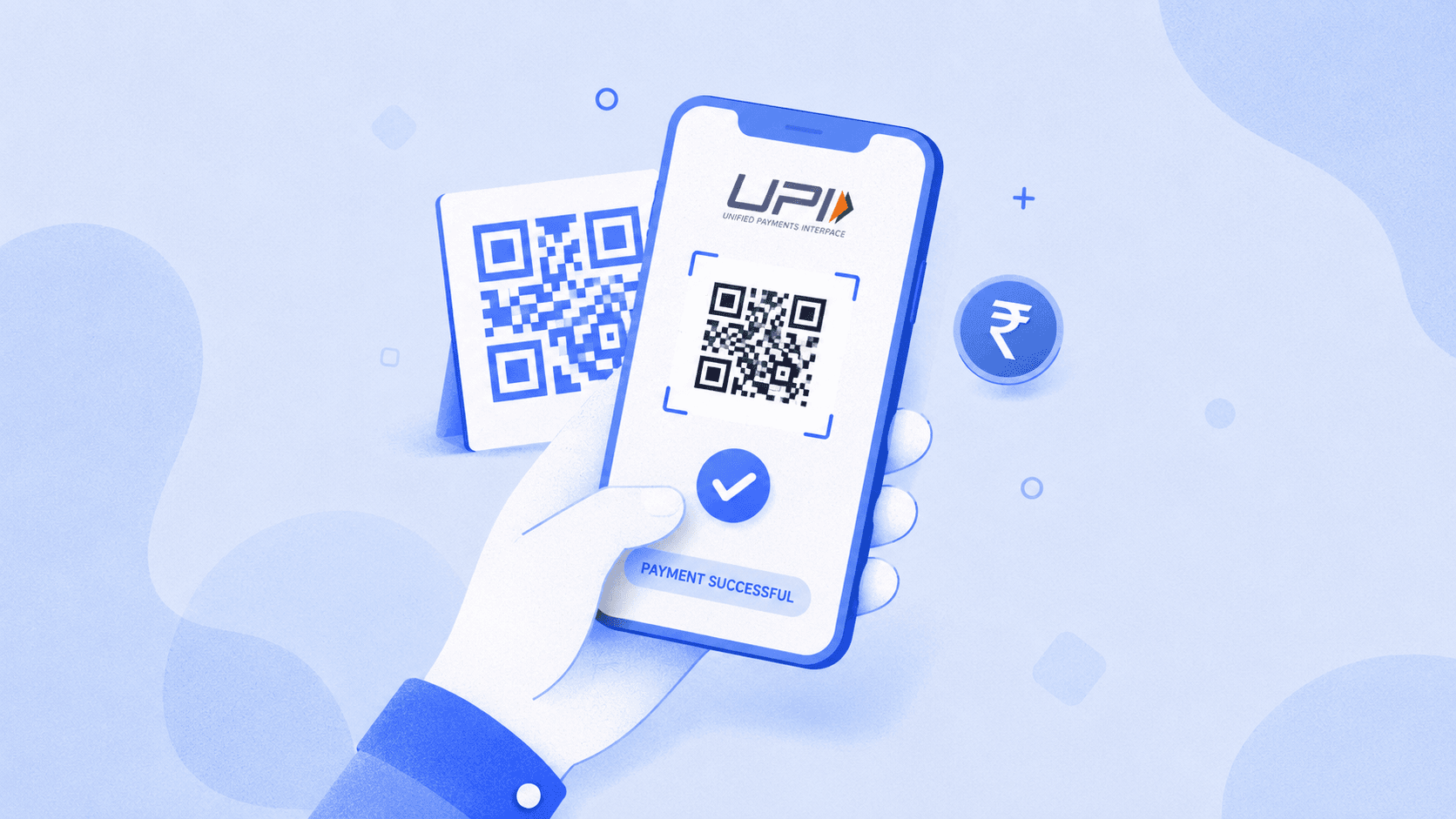
Scan and pay. Open the app, choose scan and pay, point your camera at the merchant's UPI QR code, enter the amount, and confirm with your UPI PIN.
Get instant confirmation. The merchant is paid immediately, your screen shows the transaction, and your balance updates with a record you can check later.
Picture an NRI visiting family in Delhi who wants to pay for groceries. Scan the store's QR, authenticate, done in seconds. The shopkeeper gets a confirmation and the wallet balance drops by the amount paid.
You have three main ways to reach UPI as a foreigner or NRI in India. Which one fits depends on whether you hold an Indian bank account, how long you are staying, and how much setup you are willing to do.
Apps like Cheq, Mony, NamasPay, and IDFC First are wallet-based and built for foreign nationals and NRIs without an Indian bank account. You sign up with an international number, load rupees into a digital wallet, and spend from that balance.
These suit tourists, business travellers, and students on short to medium stays. A German traveller spending three weeks across Rajasthan could load Rs 50,000 into a Cheq wallet and cover hotels, restaurants, transport, and shopping from it.
The advantage is that you need no Indian banking relationship at all. The catch: you load money in advance, and some apps charge for wallet top-ups or currency conversion, so check the fees before you commit.
If you are an NRI with an existing Indian bank account (an NRE or NRO account), you can link your international number directly to UPI apps like BHIM, iMobile Pay from ICICI, or AU Small Finance Bank. Payments then debit straight from your Indian account.
This works best for NRIs who keep financial ties to India, visit often, or make regular local payments. An NRI in the US with an ICICI NRE account could link a US number to iMobile Pay and send rent to a property manager in Mumbai over UPI, no cash and no waiting on an international transfer.
The benefit is that you spend your own bank funds directly rather than a prepaid balance, and you skip wallet-loading fees. The requirement is that you already have the Indian account and go through your bank's process to register a foreign number.
Google Pay offers UPI International in select countries, letting existing users pay via UPI while travelling. It still typically requires a linked Indian bank account, and availability varies by country and merchant.
It is a reasonable fit if you already use Google Pay in India and want one app abroad and at home. For a first-time visitor with no Indian account, a dedicated UPI One World app is the more reliable route.
International UPI apps solve a lot of the friction visitors and NRIs run into. The main gains:
Several apps now support international UPI, each with its own setup, features, and fees. The right pick depends on whether you are a tourist, an NRI, or someone who already banks in India.
Getting set up is faster when you have everything ready before you start. Here is the checklist:
Knowing how these apps stack up against your other options helps you choose. Costs, acceptance, and convenience all differ.
Everything above is about paying into India as a visitor. There is a mirror-image problem worth naming, because it is where most Indian businesses actually sit: you are the merchant, and your customers are the ones abroad.
An NRI wants to buy from your D2C store. A returning tourist wants to book with your travel brand after they fly home. A foreign student wants to pay your course fee. UPI One World wallets solve the visitor's side of that, but they do not give you, the business, a clean way to collect from customers who are overseas and paying in dollars, pounds, or euros. That is a different job.
Collecting internationally means handling multiple currencies, keeping international card success rates high, and staying compliant with RBI rules on inward cross-border payments. Consumer wallet apps were never built for that. A cross-border payment platform is.
If you are the visitor, an international UPI app is your tool. If you are the business on the receiving end of international demand, collecting is the problem to solve, and that is a merchant platform's job, not a consumer wallet's.
International UPI apps remove the biggest hurdle foreign visitors and NRIs face with digital payments in India. You can now pay like a local without an Indian bank account or number.
Setup takes a few days, but once you are approved and loaded you get the full run of India's payment network: millions of merchants, a record of every transaction, and none of the hassle or fees of cash and international cards.
Match the app to your situation. Tourists and short-term visitors do well with UPI One World wallets like Cheq or Mony. NRIs who already bank in India should link their international number through their bank for direct account access. And if you are on the other side of the counter, running a business that sells to customers abroad, the question shifts from how to pay in India to how to get paid from everywhere else.
The scale is real. UPI now accounts for 85% of all digital transactions in India, and nearly half of all global real-time digital payments are UPI-based. Around 460 million people and 65 million merchants use it across the country.
Here is the part most visitors miss: you no longer need an Indian bank account or an Indian phone number to join in. An international UPI app lets foreign visitors and NRIs pay across India using their own overseas mobile number.
This guide covers what these apps are, how they work, which ones fit which traveller, and what you need to get set up. By the end you will know exactly which app to download before your trip.
What is an international UPI app?
An international UPI app is a payment app that lets you use UPI (Unified Payments Interface: India's real-time payment network) without an Indian bank account or local mobile number. It is built for NRIs, foreign tourists, and international students visiting or living in India.
Regular UPI apps like Google Pay require an Indian bank account and an Indian number. International UPI apps remove that barrier. Most work as a wallet: you load Indian Rupees, then scan QR codes to pay at merchants across the country.
The framework behind this is UPI One World, created by the National Payments Corporation of India (NPCI), the body that runs UPI. Apps built on it let you sign up with a foreign number, verify your identity, load funds, and pay exactly the way Indian users do.
A quick example. A tourist from the UK visiting for two weeks can download an app like Cheq or Mony, top up from a British debit card, and pay for everything from street food to hotel bills, all through UPI.
How does an international UPI app work?
An international UPI app connects your foreign identity to India's UPI network through a wallet you preload in rupees. You register with your overseas number, verify who you are, add funds, and then pay like a local. Five steps take you from download to first payment.
Download and register. Install a UPI One World partner app such as Cheq, Mony, or NamasPay, and sign up with your international mobile number instead of an Indian one.
Complete KYC verification. KYC (Know Your Customer: the identity check regulated apps must run) uses your passport and visa. You can often do it by video from anywhere, or by visiting a partner location in India with your physical documents.
Load your wallet. Add rupees using your international credit, debit, or forex card. The app converts your currency to INR and credits your balance, usually within minutes.
Scan and pay. Open the app, choose scan and pay, point your camera at the merchant's UPI QR code, enter the amount, and confirm with your UPI PIN.
Get instant confirmation. The merchant is paid immediately, your screen shows the transaction, and your balance updates with a record you can check later.
Picture an NRI visiting family in Delhi who wants to pay for groceries. Scan the store's QR, authenticate, done in seconds. The shopkeeper gets a confirmation and the wallet balance drops by the amount paid.
What are the types of international UPI solutions?
You have three main ways to reach UPI as a foreigner or NRI in India. Which one fits depends on whether you hold an Indian bank account, how long you are staying, and how much setup you are willing to do.
UPI One World wallet apps
Apps like Cheq, Mony, NamasPay, and IDFC First are wallet-based and built for foreign nationals and NRIs without an Indian bank account. You sign up with an international number, load rupees into a digital wallet, and spend from that balance.
These suit tourists, business travellers, and students on short to medium stays. A German traveller spending three weeks across Rajasthan could load Rs 50,000 into a Cheq wallet and cover hotels, restaurants, transport, and shopping from it.
The advantage is that you need no Indian banking relationship at all. The catch: you load money in advance, and some apps charge for wallet top-ups or currency conversion, so check the fees before you commit.
Bank-linked UPI for NRIs
If you are an NRI with an existing Indian bank account (an NRE or NRO account), you can link your international number directly to UPI apps like BHIM, iMobile Pay from ICICI, or AU Small Finance Bank. Payments then debit straight from your Indian account.
This works best for NRIs who keep financial ties to India, visit often, or make regular local payments. An NRI in the US with an ICICI NRE account could link a US number to iMobile Pay and send rent to a property manager in Mumbai over UPI, no cash and no waiting on an international transfer.
The benefit is that you spend your own bank funds directly rather than a prepaid balance, and you skip wallet-loading fees. The requirement is that you already have the Indian account and go through your bank's process to register a foreign number.
International UPI on Google Pay
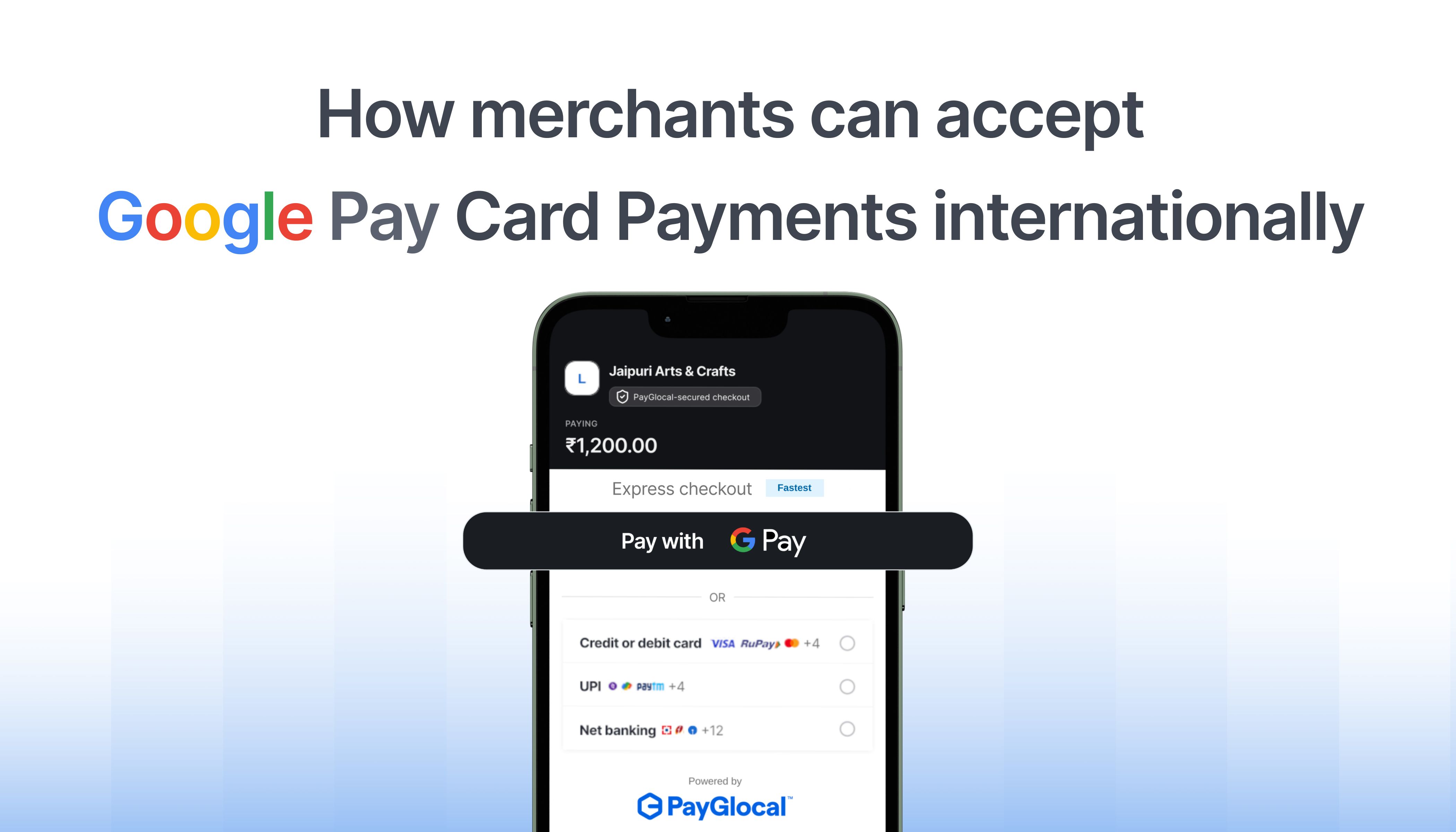
Google Pay offers UPI International in select countries, letting existing users pay via UPI while travelling. It still typically requires a linked Indian bank account, and availability varies by country and merchant.
It is a reasonable fit if you already use Google Pay in India and want one app abroad and at home. For a first-time visitor with no Indian account, a dedicated UPI One World app is the more reliable route.
What are the benefits of using an international UPI app?
International UPI apps solve a lot of the friction visitors and NRIs run into. The main gains:
- No cash to carry. You skip large amounts of cash and the hunt for ATMs. Digital payments work at street vendors, restaurants, shops, and online.
- Wide acceptance. UPI is taken almost everywhere, from auto rickshaws to luxury hotels.
- Often cheaper than forex cards. Compared with forex-card fees or dynamic currency conversion on international cards, these apps tend to be more transparent and lower cost.
- Instant. Payments clear in real time. The merchant is paid at once and you get immediate confirmation.
- Spending you can track. Detailed history shows exactly where your money went, which helps budgeting on a trip.
- Safer than cash. Lose your phone and your wallet is still protected by a PIN and biometrics. Lose cash and it is gone.
Which international UPI apps are available?
Several apps now support international UPI, each with its own setup, features, and fees. The right pick depends on whether you are a tourist, an NRI, or someone who already banks in India.
- Cheq UPI. Aimed at NRIs and foreign nationals, with video KYC for remote verification, support for multiple international cards, and detailed tracking. Good for a quick setup on a short visit.
- Mony. Similar wallet features to Cheq, with international-number registration and fast KYC. Leans on ease of use.
- NamasPay. Built around security and compliance, with thorough KYC and transaction monitoring. Suits users who want clear documentation of every payment.
- IDFC First Bank. Offers UPI One World through an established bank's app, with the customer support that comes with a bank rather than a startup.
- BHIM (for NRIs with Indian accounts). The government-backed app that lets NRIs link an international number when they already hold an Indian bank account.
- iMobile Pay (ICICI Bank). Lets NRIs link international numbers to NRE or NRO accounts, with strong NRI support and banking services alongside UPI.
What documents and requirements do you need?
Getting set up is faster when you have everything ready before you start. Here is the checklist:
- Valid passport. Your primary ID. Keep at least six months of validity and make sure all details are legible when photographed or scanned.
- Valid visa for India. Tourist, business, student, or employment. Apps verify it during KYC.
- International mobile number. Active and able to receive SMS or calls in India for verification codes during setup and payments.
- International payment card. A credit, debit, or forex card that supports international transactions, with enough balance or limit to load your wallet.
- Proof of address. Some apps ask for a home-country utility bill, bank statement, or government proof. Check your chosen app's requirements.
- Smartphone with internet. Via hotel Wi-Fi, roaming, or a local SIM.
- Indian bank account details (NRIs only). If you are linking an existing account, you need the account details, its registered mobile number, and your bank's go-ahead to register a foreign number.
How do international UPI apps compare to other payment methods?
Knowing how these apps stack up against your other options helps you choose. Costs, acceptance, and convenience all differ.
- International credit cards. Work at many merchants but not the small vendors and street shops that only take UPI, and they add foreign-transaction fees plus dynamic currency conversion on every purchase.
- Forex cards. Let you lock in exchange rates ahead of time, but still carry transaction fees, do not work everywhere, and cannot scan the UPI QR codes that now dominate.
- ATM cash withdrawals. Accepted anywhere cash is, but come with per-withdrawal fees, home-bank percentage charges, daily limits, and the theft risk of carrying cash.
- Carrying cash. Universal but risky and awkward for larger sums, dependent on exchange services with poor rates, and impossible to track.
- International UPI apps. The widest acceptance, generally lower fees than cards or forex options, instant payments, and full tracking. The trade-off is the upfront setup and loading your wallet in advance.
Accepting UPI from international customers: the view from the other side
Everything above is about paying into India as a visitor. There is a mirror-image problem worth naming, because it is where most Indian businesses actually sit: you are the merchant, and your customers are the ones abroad.
An NRI wants to buy from your D2C store. A returning tourist wants to book with your travel brand after they fly home. A foreign student wants to pay your course fee. UPI One World wallets solve the visitor's side of that, but they do not give you, the business, a clean way to collect from customers who are overseas and paying in dollars, pounds, or euros. That is a different job.
Collecting internationally means handling multiple currencies, keeping international card success rates high, and staying compliant with RBI rules on inward cross-border payments. Consumer wallet apps were never built for that. A cross-border payment platform is.
- Multiple currencies. Accept payments in 130+ global currencies from 180+ countries, and collect locally in USD, GBP, EUR, and CAD.
- Local payment methods. Offer overseas customers the payment options they already use, with 40+ methods supported.
- One dashboard. Set up, view, manage, and settle every payment from a single platform.
- International card processing. Process global credit and debit cards with a focus on approval rates, so fewer payments fail at checkout.
- Success-based pricing. Pay only when you transact: no setup fees, no platform fees, no documentation charges.
If you are the visitor, an international UPI app is your tool. If you are the business on the receiving end of international demand, collecting is the problem to solve, and that is a merchant platform's job, not a consumer wallet's.
Final thoughts
International UPI apps remove the biggest hurdle foreign visitors and NRIs face with digital payments in India. You can now pay like a local without an Indian bank account or number.
Setup takes a few days, but once you are approved and loaded you get the full run of India's payment network: millions of merchants, a record of every transaction, and none of the hassle or fees of cash and international cards.
Match the app to your situation. Tourists and short-term visitors do well with UPI One World wallets like Cheq or Mony. NRIs who already bank in India should link their international number through their bank for direct account access. And if you are on the other side of the counter, running a business that sells to customers abroad, the question shifts from how to pay in India to how to get paid from everywhere else.