

The best freelancing platforms for Indian freelancers can help you find clients around the world, but landing a project is only the first step. Once you've delivered the work, you still need a reliable way to receive international payments without losing a significant portion of your earnings to platform fees, forex markups, and payment delays. In this guide, we compare the top freelancing platforms for Indian freelancers, break down their fee structures, and explain the smartest ways to collect payments from overseas clients while keeping more of what you earn.
TL;DR
- Choose a freelancing platform based on more than just jobs: Compare the best freelancing platforms for Indian freelancers, their fees, and which ones are best suited for your skills and experience.
- How you receive international payments matters just as much: Learn the different ways Indian freelancers get paid by overseas clients and how platform payouts, forex markups, and compliance can affect your earnings.
- Keep more of what you earn with the right payment setup: Discover how a dedicated cross-border payment solution can reduce payment failures, lower hidden costs, and automate FIRA for hassle-free international collections.
Best Freelancing Platforms for Indian Freelancers, and How You Actually Get Paid
Landing the client is only half the job. Getting the money into your Indian bank account, in full and on time, is the half nobody talks about.
This guide does both. It compares the platforms Indian freelancers actually use to find international work, then answers the question every freelancer hits after the first invoice: what is the best way to receive international payments in India without watching a chunk of your fee disappear into platform cuts and forex markup.
What Indian freelancers really need from a platform
Ravi writes code for a US startup. He found the client on Upwork, delivered the work, and raised a $2,000 invoice. Upwork took its service fee. Then the withdrawal to his Indian account took days, arrived in rupees at a rate he did not choose, and came with no clean document to show the bank why foreign money had landed in his account.
That last part matters more than most new freelancers expect. When foreign currency arrives in an Indian account, your bank and the RBI (Reserve Bank of India) want to know the purpose, and for services export you often need a FIRA (Foreign Inward Remittance Advice, the proof-of-payment document that confirms an inward remittance). The gig platform gets you the client. It does not always get you paid cleanly.
So judge a platform on three things: how easily it finds you the right work, what it charges, and how the money reaches you. The first two are covered below. The third is where most freelancers quietly lose money, so it gets its own section.
The freelancing platforms, compared
1. Upwork
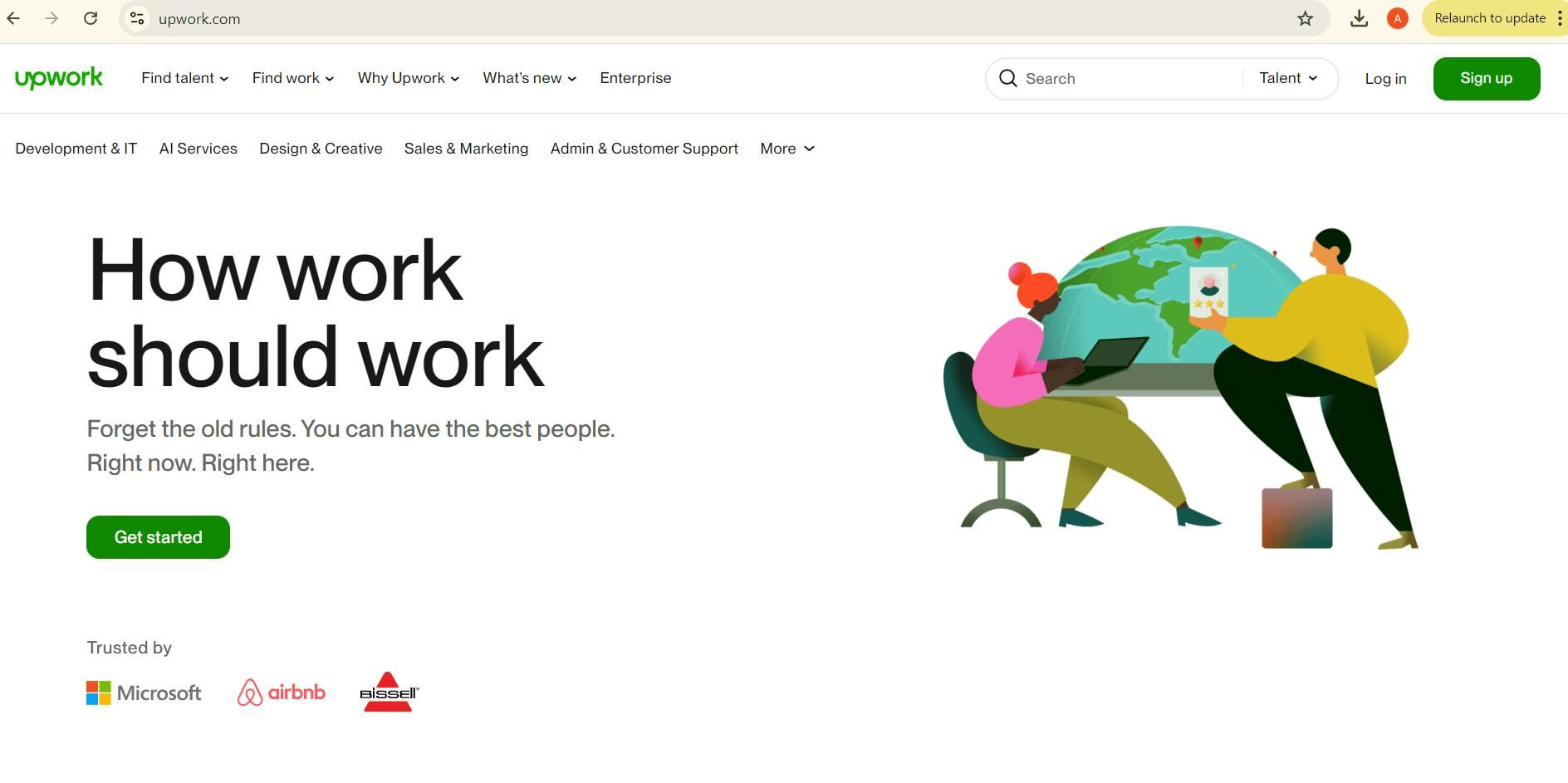
One of the largest global marketplaces, covering programming, writing, web development, and design. Its escrow (a system that holds the client's payment until work is approved) is the main draw: you are far less likely to be stiffed on a delivered project.
- Broadest job range, from tech to creative
- Escrow-backed payment protection
- Attracts serious clients, from startups to large firms
- The catch: the tiered service fee and withdrawal fees stack up on small jobs
2. Fiverr
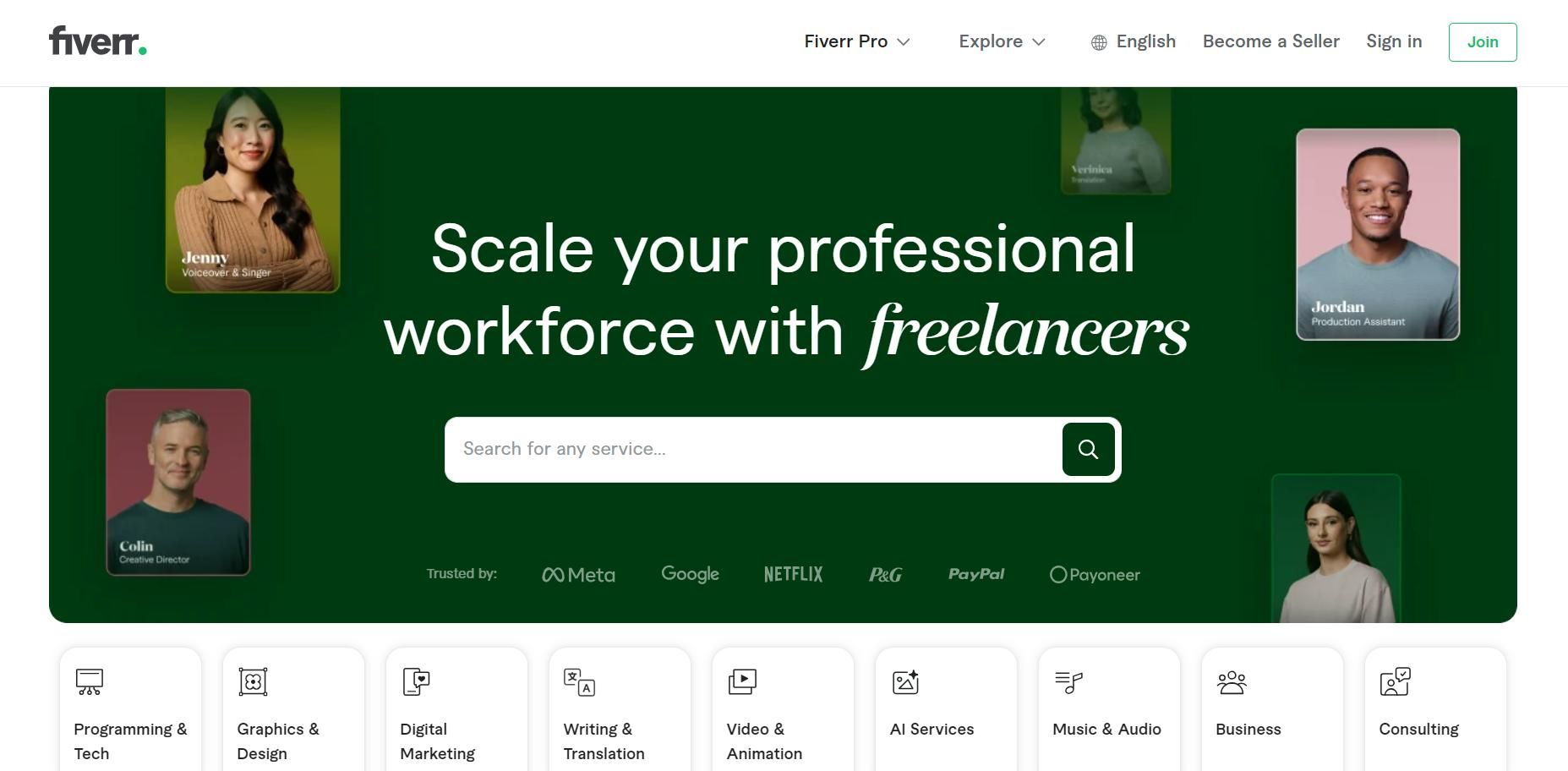
Gig-based, so you package a service ("I will design a logo") and clients buy it outright. Strong for design, writing, and digital marketing, and quick to start.
- Set up multiple gigs and diversify what you offer
- Free to register, no upfront cost
- Built-in visibility through Fiverr's search
- The catch: a flat 20% cut is steep on higher-value work
3. Toptal

A vetted network that accepts a small fraction of applicants and places them on high-end software, finance, and interim-management projects.
- Premium clients and larger project budgets
- Toptal handles invoicing and payment
- The catch: the screening is hard to get through, and the freelancer cut is not published
4. Freelancer.com

A large bidding marketplace across web development, translation, and marketing, with milestone payments and contests to showcase skills.
- Very wide range of project types
- Milestone releases reduce non-payment risk
- 24/7 support
- The catch: bidding is competitive and premium features cost extra
5. FlexJobs

A subscription service curating remote and flexible roles, with every listing screened to keep scams out.
- Vetted, scam-free listings
- Strong for writing, marketing, and transcription
- The catch: you pay a subscription whether or not you land work
6. Guru

A general marketplace across marketing, programming, and admin, with a SafePay escrow feature that holds funds until work is done.
- Wide industry coverage
- Escrow-backed payments
- Job matching to your profile
- The catch: smaller job volume than the top players
7. LinkedIn

Not a marketplace, but a professional network where a lot of freelance work is won through direct client relationships, especially in copywriting, translation, and design.
- Direct access to decision-makers, no platform cut on the work itself
- Doubles as your portfolio and credibility layer
- The catch: no built-in payment protection, you invoice and collect yourself
8. Behance
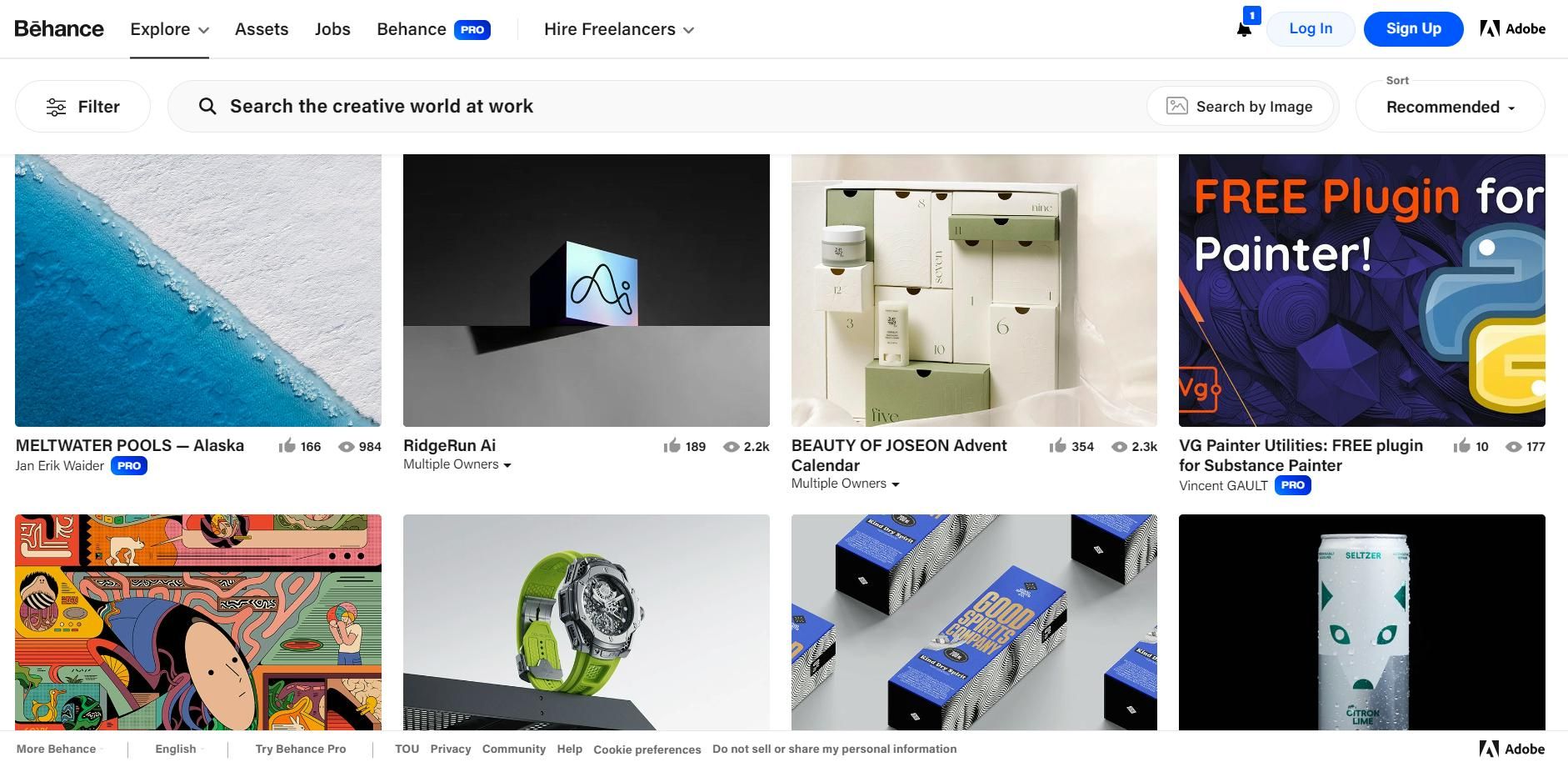
Adobe's portfolio network for creative professionals: illustration, photography, and design. Less a job board, more a place clients find you.
- Large creative audience and strong exposure
- Portfolio-first, integrates with Adobe tools
- The catch: discovery, not transactions, so payment happens off-platform
9. PeoplePerHour

A UK-based marketplace in programming, journalism, and branding, with location-aware listings and automated invoicing.
- Tiered fees that drop as you bill more with one client
- Escrow until the client is satisfied
- The catch: UK/Europe skew, and withdrawal fees apply
10. TaskRabbit
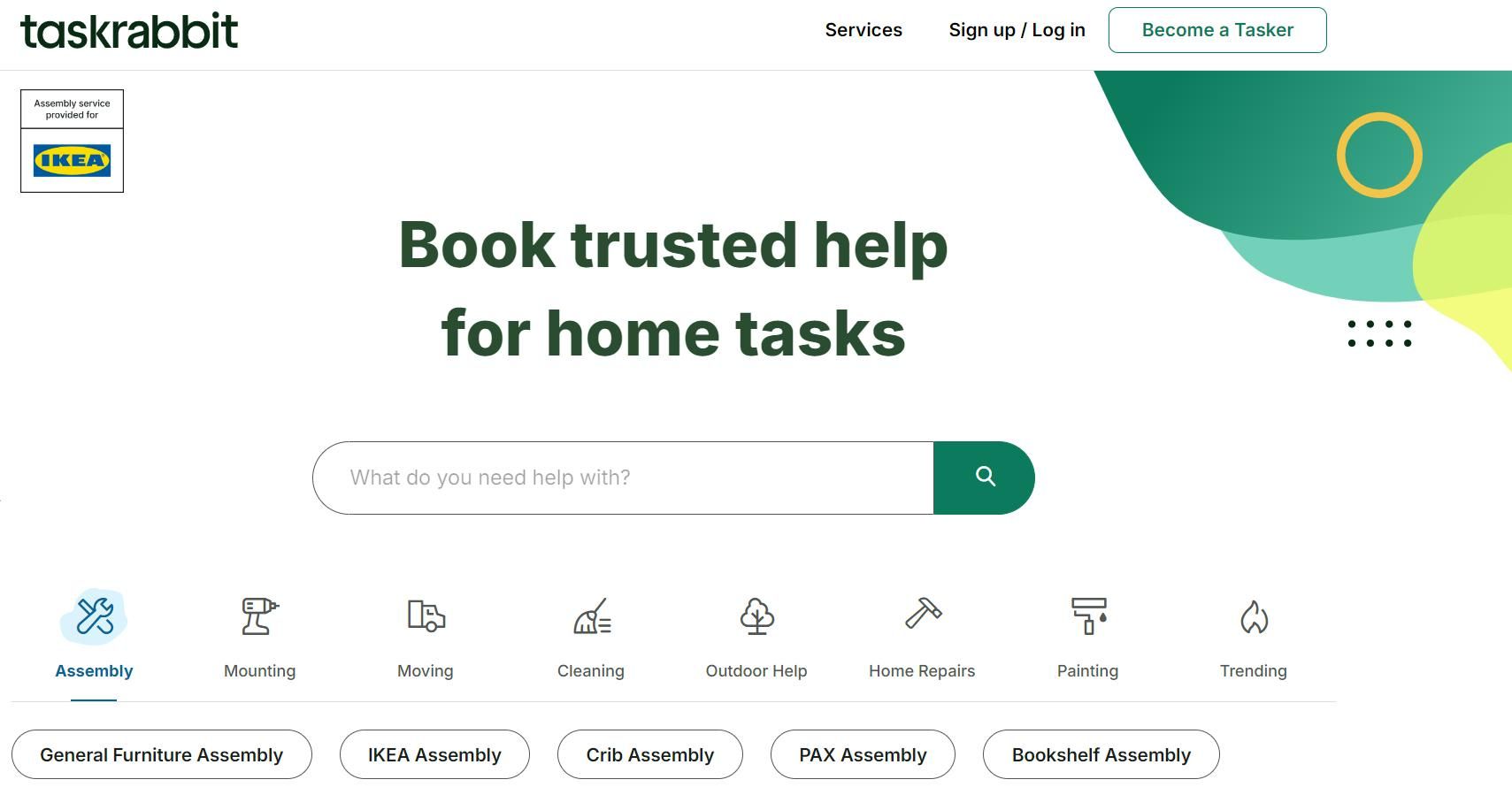
The outlier: local, physical tasks like assembly, moving, and errands, done in person. Included for completeness, but it is not a cross-border earner.
- Set your own hourly rate
- No service fee on the Tasker's earnings
- The catch: local and in-person only, so no international income
Fee comparison at a glance
Fees below are as published by each platform and are kept for reference. They change often, so confirm the current rate on the platform before you rely on it.
| Platform | Best for | Fee structure |
|---|---|---|
| Upwork | Broad, serious clients | 20% up to $500, 10% to $10,000, 5% above; withdrawal fees apply |
| Fiverr | Packaged gigs | 20% of the transaction; standard withdrawals free |
| Toptal | Premium projects | Undisclosed cut from freelancer earnings |
| Freelancer | Bidding + milestones | 10% or $5, whichever is greater; premium and withdrawal fees extra |
| FlexJobs | Curated remote roles | Subscription from $9.95/month; no commission |
| Guru | Flexible terms | 8.95% service fee; payment-processing fees apply |
| Direct client relationships | No fee to apply or post; premium optional | |
| Behance | Creative portfolio | Free to use |
| PeoplePerHour | Project-based, UK/EU | 15% to £250, 7.5% to £5,000, 3.5% above; withdrawal fees apply |
| TaskRabbit | Local in-person tasks | Up to 30% of the task fee; processing fees may apply |
Notice what the table does not show: the platform fee is only the first deduction. The second one, the cost of moving the money to India, is usually invisible and often larger.
How freelancers receive international payments in India
Here is the direct answer. Indian freelancers get paid from overseas clients in one of three ways, and the choice decides how much of the fee you keep and how much paperwork you handle.
- Platform payout to your bank. Simplest, but you take the platform's own currency conversion and withdrawal fee, and you rarely get a clean FIRA.
- Wallets and transfer services. Fast to set up, but the forex markup (the gap between the real exchange rate and the one you are given) can be steep, and documentation for compliance is often thin.
- A dedicated cross-border collection setup. You share account details or a payment link, the client pays, and the money settles into your Indian account in INR with the compliance paperwork generated for you.
For anything beyond an occasional small gig, the third route is where you keep the most and worry the least. That is the gap PayGlocal is built for.

For a freelancer, that translates into three things that matter: international card and alternative payments accepted at a high Payment Success Rate (PSR, the share of attempted payments that go through, so fewer client payments silently fail), settlement into your Indian account in INR, and FIRA generated automatically so your export-of-services paperwork is handled.
What eats your earnings (and how to keep more)
Say a US client pays you $2,000. Three things stand between that number and what lands in your account:
- The platform fee, from roughly 9% to 20% depending on the platform and tier (see the table).
- The forex markup, the quiet one. A poor conversion rate can cost more than the platform fee on a large invoice, and you often never see it itemised.
- Failed or delayed payments, when a client's international card is declined at checkout and the payment simply does not complete.
You cannot avoid platform fees on a marketplace. You can control the other two. A collection setup with a high payment success rate reduces declines, a transparent rate reduces the forex bleed, and automated FIRA removes the scramble at tax time. On a single large invoice, fixing points 2 and 3 often saves more than switching platforms ever would.
Choosing your setup
- Just starting, occasional gigs: pick one marketplace with escrow (Upwork or Fiverr) and take the platform payout for now. Keep it simple.
- Regular income from repeat overseas clients: win the work on the platform, but move collection to a dedicated cross-border setup so you stop losing margin to forex and skip the FIRA scramble.
- Direct clients off-platform (LinkedIn, Behance, referrals): you need your own way to collect, since there is no platform payout at all. A payment link or collection account is the whole game here.
The platform gets you the client. How you collect decides how much of that client's money you actually keep.